Metro
Overview
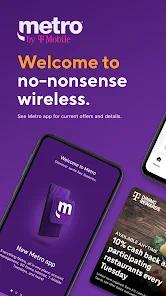
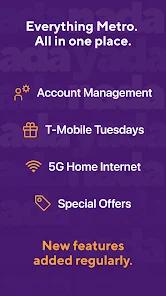
The myMetro application serves as the primary digital conduit between Metro by T-Mobile and its expansive subscriber base. Historically, prepaid telecommunications were managed through physical retail locations or primitive SMS-based systems. The emergence of myMetro signifies a transition toward a self-service model that emphasizes autonomy and transparency. The application's architecture is built upon four primary pillars: account lifecycle management, reward integration, infrastructure control, and technical support.
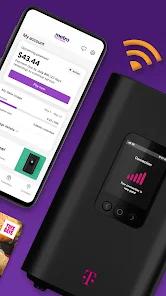
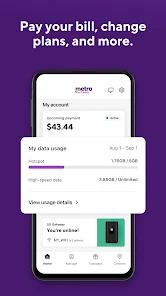
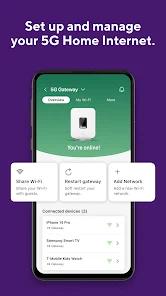
At its functional core, the app facilitates real-time monitoring of data consumption, plan adjustments, and financial transactions. Unlike postpaid models where billing is often opaque, the myMetro interface prioritizes immediate visibility of service expiration dates and data caps, which is critical for the prepaid demographic. A significant evolution in the app's utility is the integration of 5G Home Internet management. Users can now monitor network health and connected devices for home-based cellular internet services, effectively positioning the app as a home-office utility rather than just a mobile tool.
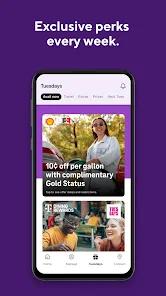
A strategic insight into the app's development reveals a "lifestyle utility" approach. By integrating T-Mobile Tuesdays directly into the dashboard, Metro by T-Mobile incentivizes daily or weekly engagement that transcends the traditional monthly billing cycle. This gamification of loyalty is a direct response to the high churn rates typical of the prepaid sector. However, the recent technical shift toward mandatory, granular permissions—such as contact list access for basic functionality—suggests a growing emphasis on data harvesting that may conflict with user privacy expectations.
Pros & Cons
The centralized dashboard provides immediate clarity on billing and data status, essential for avoiding service interruptions.
Integration of T-Mobile Tuesdays offers tangible financial value through recurring rewards on gas, food, and entertainment.
The 5G Home Internet management suite allows users to troubleshoot and monitor home networks without calling technical support.
Bundled security features like Scam Shield™ provide sophisticated call-blocking technology at no additional cost for many plans.
Streamlined Google One integration facilitates seamless cloud backups for photos and contacts, increasing the utility of the mobile device.
Direct access to Metro Support within the app bypasses long wait times associated with traditional call centers.
- ✕
High friction in the onboarding process due to mandatory, extensive permissions (contacts, call logs) that are not strictly necessary for billing.
- ✕
Occasional device compatibility regressions where older hardware is suddenly labeled "not compatible" after a version update.
- ✕
The payment gateway has been reported to experience intermittent glitches, leading to locked accounts during failed transaction attempts.
Download


FAQs
How does the myMetro app handle security for payments?
The app utilizes encrypted transit for all financial data and often requires two-step verification for account changes.
Can I change my phone number using the app?
Yes, the "Manage Account" section allows for basic profile updates, including certain number-change functions.
What is the benefit of the Google One integration?
It provides 100GB or more of cloud storage, allowing users on eligible plans to back up their entire device ecosystem.
Why is my account locked after a payment attempt?
Repeated failed attempts can trigger a security lockout. In such cases, a physical visit to a Metro retail location with ID is required.
Does the app support Spanish or other languages?
Yes, the application is localized for major markets, including Spanish-speaking territories.
Hot Reviews
A significant portion of the active user base has expressed dissatisfaction with the requirement to grant access to personal contacts and call history just to view a bill. This perceived overreach is a recurring theme in recent negative evaluations.
Long-term subscribers frequently praise the app's ability to handle complex tasks like switching to 5G Home Internet or managing multiple lines from a single screen. This efficiency is seen as a major upgrade over the previous web portal.
There are localized reports of the app failing to process certain credit cards or flagging transactions as suspicious. Users have noted that this can lead to frustrating service gaps that require customer service intervention.