
TextNow: Call + Text Unlimited


Overview
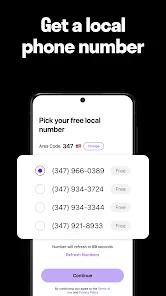
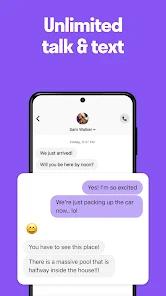
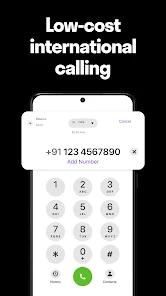
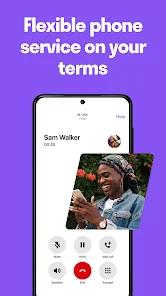
In a telecommunications industry defined by expensive monthly contracts, TextNow has carved out a unique role as a provider of "Ad-Supported Connectivity." The application's core function is to provide a real, secondary phone number that can be used for unlimited calling and texting over Wi-Fi or through its own nationwide wireless network. Functional deconstruction reveals a hybrid service model: a free VoIP (Voice over IP) layer for Wi-Fi use, and a "Free Essentials" cellular layer that—with the purchase of a one-time SIM card—provides unlimited talk and text on a national scale without a monthly bill. By monetizing via advertisements within the messaging threads, TextNow democratizes mobile communication for users who are otherwise priced out of traditional carriers.
A deep insight into TextNow's "Secondary Number" economy reveals its role as a privacy and productivity hub. Millions of users utilize the app to separate their digital identities—using the TextNow number for two-factor authentication (2FA), online marketplace listings (like Craigslist or Facebook), or professional side-hustles. The app's cross-platform synchronization (Android, iOS, and Web) allows for a unified "Office-in-a-Pocket," where messages and voicemails can be managed from any device. This represents a second-order shift from "Cellular Service" to "Identity-as-a-Service," where the phone number is no longer tied to a physical SIM card, but to a portable, digital account.
However, the "Inactivity and Ad" trade-off remains the primary pain point for users. To maintain the "Free" status of a number, the user must remain active; extended periods of silence can lead to the number being reclaimed and reassigned. For users who require a permanent digital identity, TextNow offers a "Lock-In" subscription, illustrating the transition from a purely free utility to a tiered, freemium service. User sentiment is generally positive regarding the "Free Essentials" (which include basic data for maps and email), but the intrusion of full-screen advertisements is frequently cited as the price one pays for "unbeatable" cost. For those seeking an emergency backup or a private secondary line, TextNow remains the definitive leader in the ad-supported telecom space.
Pros & Cons
Truly free unlimited talk and text for users who cannot afford or do not want a monthly cellular bill.
Provides a real secondary phone number for privacy, protecting your primary digits from spam or strangers.
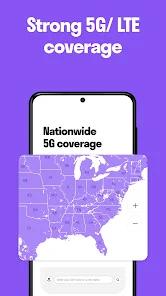
Nationwide wireless coverage available for a one-time, low-cost SIM card purchase—no monthly contract.
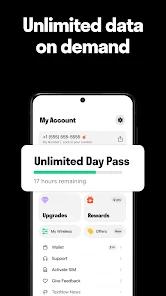
Includes "Free Essentials" like maps, email, and ride-sharing data even without a paid data plan.
Seamlessly syncs across your phone, tablet, and computer, allowing you to text from any screen.
Professional features like voicemail-to-text and call forwarding are included in the free tier.
- ✕
Persistent and occasionally intrusive advertisements within the messaging interface.
- ✕
Phone numbers can be reclaimed if the user does not send a text or make a call periodically.
- ✕
The free tier does not include high-speed data for social media, streaming, or video browsing.
Download


FAQs
How can it be free?
TextNow uses an ad-supported model; advertisements within the app pay for the unlimited calling and texting service.
Can I keep my number forever?
Yes, by using the app regularly or by paying a small "Lock-In Number" fee to prevent it from being reclaimed.
Does it work without Wi-Fi?
Yes, if you purchase a TextNow SIM card, you can use their nationwide wireless network for calling and texting.
Can I use it for verification codes?
Yes, though some high-security bank services may occasionally block VoIP numbers, most services work well.
Can I port my old number to TextNow?
Yes, the app supports porting in numbers from other major carriers so you can keep your existing digits.
Hot Reviews
Many users describe the app as their "only way to stay connected" during financial hardship or between cellular plans.
Reviewers frequently mention using it for "selling things online" to avoid giving their real number to potentially dangerous strangers.
Most users admit that "the ads are a bit much," but they are a small price to pay for "unlimited nationwide service for $0".