
Discord - Talk, Play, Hang Out



Overview
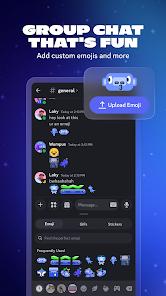
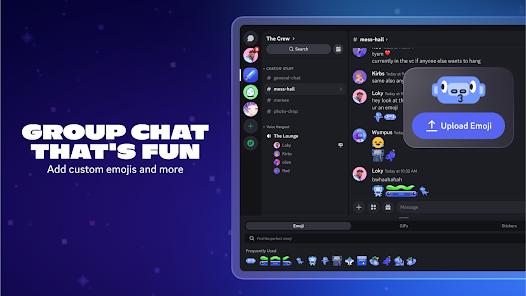
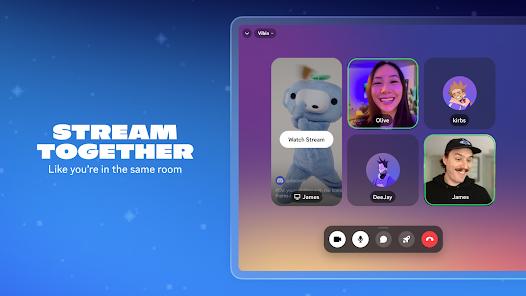
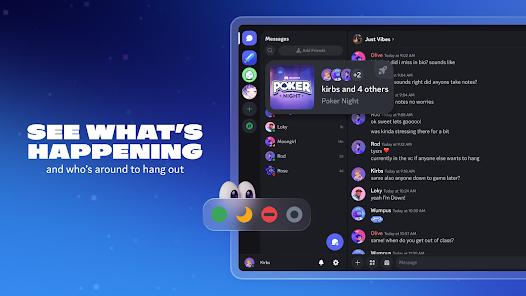
The application Discord represents more than a mere communication tool; it is the fundamental infrastructure for modern digital third spaces. Originally conceived as a low-latency Voice over IP (VoIP) solution for the gaming community, Discord has undergone a significant architectural and cultural pivot to become a multifaceted platform for diverse community building and professional coordination. The core functional breakdown of the platform reveals a sophisticated hierarchy based on "Servers," which act as autonomous hubs. Within these hubs, the application facilitates a multi-layered communication experience through text, voice, and video channels, further organized by categories and threads to prevent information density from overwhelming the user.
A deep dive into the platform's technical mechanisms highlights its robust permission system. Administrators can create an unlimited number of "Roles," assigning granular permissions that dictate everything from message deletion to the ability to bypass "Stage Channel" moderation. This role-based access control is a significant differentiator from other similiar apps, allowing for the management of communities exceeding one million members without descending into chaos. Furthermore, Discord's integration of "Stage Channels" serves as a built-in alternative to specialized broadcasting software, supporting live workshops, presentations, and moderated Q&A sessions.
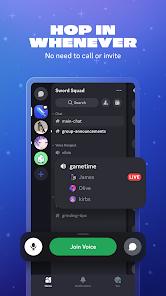
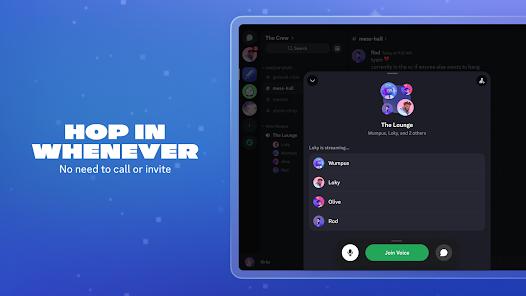
Discord stands for the"always-on" nature of its voice channels. Its voice channels are persistent spaces that users can "drop into" whenever they are available, mimicking the spontaneous interactions of a physical social environment. However, this "living room" vibe is increasingly burdened by technical debt. By 2025 and 2026, user reports have highlighted a significant decay in mobile performance. High-frequency complaints involve excessive battery drain and CPU usage, particularly on Android devices where the application often fails to release system resources even when running in the background.
Pros & Cons
Superior organizational structure through nested channels and categories that allow for complex community management.
The most sophisticated role and permission system in the mobile space, enabling high-security and moderated interactions.
High-fidelity, low-latency audio transmission that remains the industry benchmark for real-time collaboration.
Extensive cross-platform parity, ensuring a seamless transition between mobile, desktop, and web environments.
A vast ecosystem of third-party bots that automate moderation, music playback, and community engagement.
Powerful integration with external services like Spotify, Twitch, and YouTube to share activity status.
- ✕
Extremely high resource consumption, leading to significant battery depletion and thermal throttling on mobile hardware.
- ✕
Steep learning curve for non-technical users who may find the interface and permission settings overwhelming.
- ✕
Inconsistent mobile app stability in late 2025, with frequent reports of microphone failure and spontaneous call drops.
- ✕
Core aesthetic and functional enhancements are increasingly sequestered behind the expensive Nitro subscription.
Download


FAQs
Is Discord safe for professional business use?
While highly effective for communication, Discord lacks some enterprise-grade compliance tools (like robust audit trails and SOC2 certifications) found in Slack.
What are the limits on the free version of Discord?
The free tier offers unlimited messaging and voice calls, but limits file uploads and restricts video quality to standard definition.
How does Discord manage data privacy?
Discord encrypts data in transit and allows users to request data deletion, though it collects metadata to improve its recommendation algorithms.
Can I join more than one Discord server?
Yes, free users can join up to 100 servers, while Nitro subscribers can join up to 200.
What is the "Stage Channel" feature?
It is a specialized channel designed for moderated live talks where only selected speakers can talk, while the rest of the audience listens.
Hot Reviews
User feedback consistently highlights that the Android client has become a "memory hog," utilizing up to 10% of total battery life in a single hour of idle voice usage.
Veteran users appreciate the power of the role system but note that the current interface makes it increasingly difficult for new moderators to find essential settings without external tutorials.
A significant volume of reports indicates that the mobile version often fails to recognize Bluetooth headsets, requiring users to rejoin calls multiple times to establish audio.
Recent reviews suggest a growing frustration with the platform’s aggressive push for Nitro, specifically the locking of basic customization like "themes" behind a monthly fee.