
DiDi Driver: Drive & Earn Cash
Overview
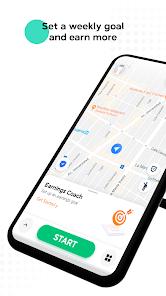
The DiDi Driver app serves as the primary terminal for independent driver partners across the international markets of DiDi Global, spanning strategic regions in Asia-Pacific, Africa, and Latin America. Operating in high-density urban environments, the app is engineered to automate geolocated rider-to-driver dispatch, facilitate continuous real-time route optimization, and manage direct digital payment reconciliation. To build a secure and highly localized service model, the registration and verification engine requires driver partners to upload valid licensing, background verifications, vehicle inspections, and biometric selfies directly within the mobile workflow.
DiDi Driver features the deployment of the "DiDi Flex" pricing mechanism. Unlike legacy ride-hailing applications that enforce absolute dynamic algorithmic surge pricing, DiDi Flex introduces a negotiation model. Passengers suggest an initial fare, and driver partners are presented with the freedom to accept, skip, or suggest a higher counter-offer in real-time. This framework shifts price discovery from a pure server-side algorithm to a decentralized marketplace, giving driver partners greater operational autonomy. Additionally, to maximize driver efficiency, the application integrates destination-based filtering, allowing drivers to request only trips that align with their home route at the end of their shifts.
Despite these advantages, technical and safety limitations persist within the application architecture. Unlike major competitors, the DiDi Driver client lacks native compatibility with Android Auto or similar vehicle infotainment projection frameworks. This technical omission forces drivers to interact continuously with physical smartphone mounts while driving, increasing visual distraction and driver cognitive load. Furthermore, the app relies on highly intrusive system overlay permissions to display ride dispatch cards. These notifications frequently hijack the active screen space, overriding secondary navigation systems and emitting high-decibel audio alerts that bypass standard Android notification sound profiles.
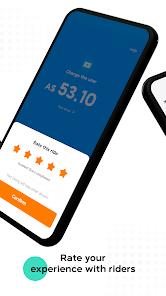
Operational feedback also reveals transactional sync bugs within specific international jurisdictions, such as Egypt. Drivers have documented instances where the final trip payout recorded in their earnings ledger is lower than the accepted "Flex" bid, illustrating potential database synchronization delays or race conditions in the regional payment reconciliation services. This technical friction is compounded by a customer service model that relies heavily on scripted automated agents, leaving drivers with limited paths for immediate manual dispute resolution.
Pros & Cons
Flexible Price Negotiation: Empowers drivers via the "Flex" model to bid and negotiate fares directly with riders.
Low Platform Commissions: Offers highly competitive service fees, maximizing net earnings per trip compared to traditional platforms.
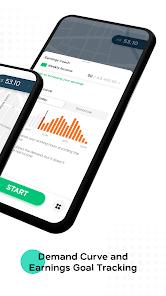
Real-Time Hotspot Mapping: Displays visual heat maps identifying zones with high trip density and passenger demand.
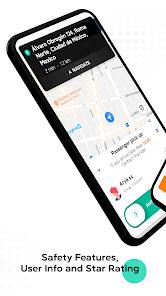
Dynamic Safety Protocols: Protects drivers with danger zone geo-fencing and 24/7 dedicated security monitoring.
End-of-Shift Route Filtering: Filters dispatch queues using "Destination Mode" to secure trips on the driver's route home.
- ✕
No Infotainment Screen Integration: Lacks Android Auto support, forcing continuous physical interaction with the phone screen.
- ✕
Intrusive Screen Overlays: Overrides system-level notification channels with loud, persistent, un-mutable alert loops.
- ✕
Payment Sync Discrepancies: Features recurring transaction synchronization issues that occasionally reduce finalized payouts.
- ✕
Hardcoded Language Profiles: Restricts localization by locking the app language directly to the global operating system settings.
Download
 Get it on Google Play
  Get it on App Store
 FAQs
How does DiDi Flex negotiation operate?
When a passenger requests a ride, they suggest an initial fare. Drivers nearby can accept the fare, decline it without penalty, or propose a higher fare using pre-configured bid options.
What documents are required to start driving?
Drivers must be 21 years or older and upload a valid driver's license, vehicle registration, background check reports, and a verified selfie directly within the application.
Can drivers filter orders by a target destination?
Yes. Activating "Destination Mode" instructs the dispatch engine to restrict notifications to trips that lead toward the driver's specified coordinate.
Are secondary map applications supported?
Yes. Drivers can route active trips using integrated internal mapping tools or bridge the geolocation data to secondary GPS tools installed on their devices.
How is driver safety monitored on the road?
The app features real-time GPS tracking shared with designated contacts, alerts drivers when approaching verified danger zones, and embeds a 24/7 emergency panic button.
Hot Reviews
The application aggressively bypasses notification permissions, popping up with loud, non-silenceable alarms over other active apps even when system notification sounds are disabled.
The omission of an in-app language toggle is highly inconvenient, and the lack of Android Auto support to mirror routing onto the dashboard screen is a major safety drawback.
Recent updates have introduced glitches where accepted bid prices are reduced upon trip completion, leaving drivers with lower pay than agreed, while customer support is restricted to scripted automated agents.
The visual integration of hot-zone maps showing exact passenger demand, paired with the ability to set a target home destination, makes managing daily earning targets highly efficient.