Zomato: Food Delivery & Dining
Overview
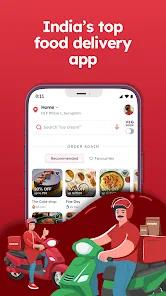
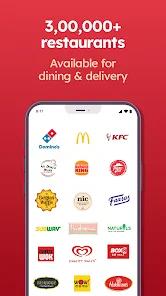
The Indian hyper-local delivery and restaurant discovery marketplace is characterized by high transaction volumes and intense regional competition. Within this ecosystem, Zomato has transitioned from its 2008 origins as a basic restaurant directory into a multi-tiered lifestyle and digital commerce platform. The app represents a complex software architecture designed to coordinate restaurant listings, real-time logistics, experiential event bookings, and dining-out transaction pathways. The platform hosts over 1.5 million restaurant profiles across more than 1,000 cities in India and the United Arab Emirates.
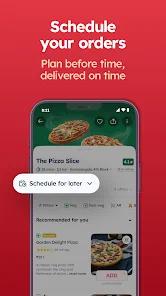
At its core, Zomato’s engine is built on real-time geospatial tracking and search indexing. The client-side application integrates with cellular GPS and network-based location APIs to dynamically adjust restaurant visibilities based on physical proximity, regional operational hours, and immediate courier densities.
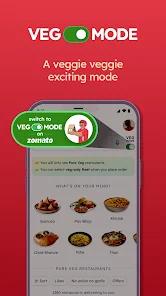
By analyzing user interactions, search queries, and historical purchasing behaviors, Zomato’s recommendation engine curates personalized suggestions, including dietary-specific categories such as vegetarian or healthy, nutritionist-approved selections.
To mitigate checkout friction and reduce cart abandonment, Zomato has integrated a highly diversified payment gateway infrastructure. The transaction pipeline supports:
- Unified Payments Interface (UPI)
- Traditional credit and debit card frameworks
- Net banking
- Digital wallets
- Corporate meal vouchers (Pluxee)
- Buy Now, Pay Later (BNPL) options like Simpl
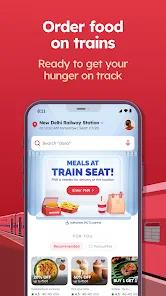
Beyond standard delivery corridors, Zomato has expanded its logistics model through "Intercity Legends". This specialized supply chain system transports temperature-controlled, iconic dishes from designated Indian cities to other metropolitan markets within a short delivery timeframe.
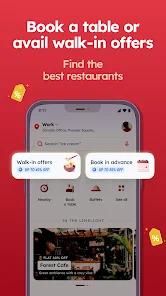
To capture broader experiential spending, Zomato has integrated the "Zomato Live" event booking framework directly into its ecosystem, enabling users to browse and purchase tickets for concerts, comedy shows, and food festivals. This strategy has been further expanded with "District," a specialized spin-off application designed to unify out-of-home entertainment, movie ticket bookings, and dining reservations into a single portal. The loyalty program focuses on cashbacks, dining discounts, and ticketing.
Zomato focuses heavily on dining-out discovery, community review curation, and experiential integrations. It relies on its extensive user-generated photo databases, detailed menu indexes, and specialized event features to maintain brand loyalty.
Pros & Cons
Comprehensive Discovery Database: Aggregates menus, pricing, contact details, coordinates, and images for over 1.5 million dining venues.
Diversified Localized Payments: Seamlessly supports UPI, major card networks, corporate meal programs, and BNPL channels to reduce transaction drop-offs.
Specialized Logistics (Intercity Legends): Utilizes a dedicated supply chain to transport regional dishes across major Indian cities.
Experiential Lifestyle Integration: Consolidates dining reservations, billing, and event ticketing within a unified platform.
Detailed Dietary and Wellness Filters: Features specialized filters for vegetarian options and healthy, nutritionist-curated meals.
Robust Review & Photos Ecosystem: Hosts millions of peer-reviewed restaurant assessments, building transactional trust through community feedback.
- ✕
Friction in Customer Support Pathways: Relies heavily on automated customer support bots that often issue promotional discount codes instead of financial refunds during disputes over incorrect or missing items.
- ✕
Restricted Offline Browsing Mechanics: Blocks users from viewing restaurant menus or pre-populating carts when a vendor is physically closed, reducing convenience for shift workers or off-hours planning.
- ✕
Operational Inconsistencies: Partner restaurants occasionally fail to honor pre-paid reservations booked through the app due to system synchronization lags.
- ✕
Aggressive Up-selling Overlays: The user interface frequently displays intrusive pop-ups and membership banners that disrupt standard order paths.
Download
 Get it on Google Play
  Get it on App Store
 FAQs
How does Zomato's Intercity Legends feature operate technically?
Zomato partners with renowned culinary vendors across designated cities, leveraging temperature-controlled, rapid supply chain networks to deliver authentic regional foods directly to other metropolitan regions within a short delivery timeframe.
Can consumers filter for specific allergen profiles or vegetarian diets inside the application?
Yes, the application provides detailed search and filtering mechanisms, allowing users to toggle vegetarian-only venues or browse healthier selections curated by professional nutritionists.
What payment methods are supported to facilitate smooth transactions?
Zomato supports high-security, diversified payment options including UPI, major credit/debit card structures, net banking, corporate meal systems (Pluxee), cash-on-delivery, and deferred-payment platforms like Simpl.
Why does the interface prevent users from browsing restaurant menus during off-hours?
The application currently restricts cart configuration and detailed menu inspections for closed restaurants to prevent asynchronous order submissions that cannot be executed by the partner venue.
What recourse do users have if a delivery is inaccurate, cold, or damaged?
Users can contact the 24/7 digital chat support system to report delivery issues, though resolutions frequently involve promotional credit vouchers rather than cash-back refunds.
Hot Reviews
The customer support system frequently denies actual financial compensation for burnt or incomplete deliveries, opting instead to issue promotional codes.
The system prevents users from reviewing menus or organizing a cart when restaurants are closed, failing to accommodate off-hours planning.
Reservation systems occasionally charge table fees without securing physical seating, leading to conflicts upon arrival at crowded partner venues.
The real-time tracking interface and localized delivery network provide reliable, prompt updates during active deliveries.