
SCHOOLBOY RUNAWAY - STEALTH
Overview
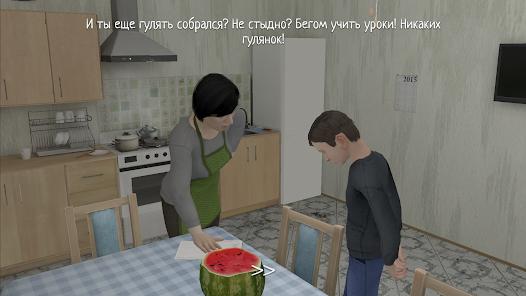
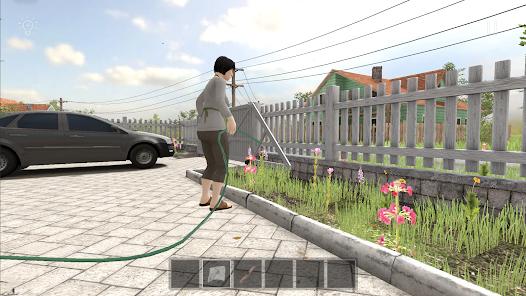
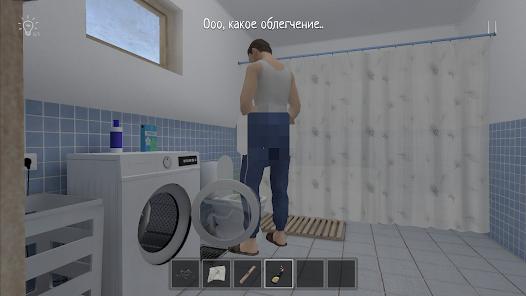
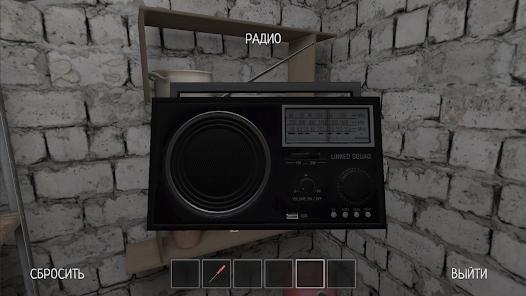
Schoolboy Runaway - Stealth is a 3D first-person game that deviates from standard horror-escape tropes by focusing on a grounded, domestic narrative. The player assumes the role of a schoolchild placed under house arrest due to academic failure, tasked with outsmarting their parents to escape for a social gathering. This title utilizes a "psychological stealth" framework where the antagonist is not a monster, but a familial authority figure, adding a layer of relatability and tension.
Functional Breakdown and Tactical Depth
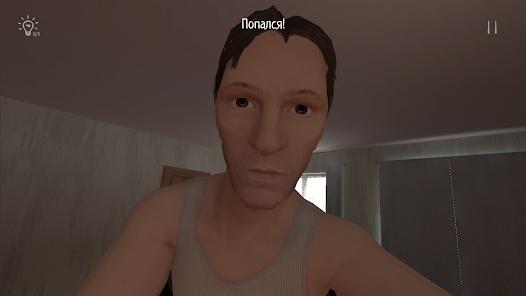
The gameplay loop of Schoolboy Runaway is built on environmental awareness and precision. Unlike many stealth games where the goal is simply to avoid line-of-sight, this game requires the player to manage the state of the environment. Parents are programmed to notice deviations; leaving a cabinet door open or moving a chair can trigger a suspicion mechanic that leads to the player being caught. This "persistence" mechanic forces the player to plan their escape routes with surgical care, ensuring every item used is replaced or hidden.
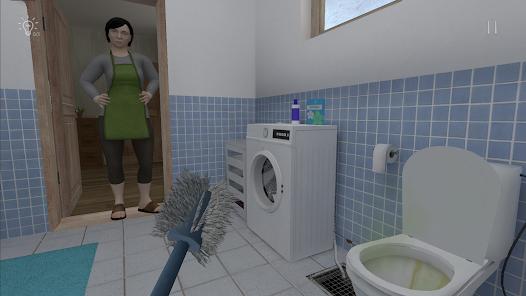
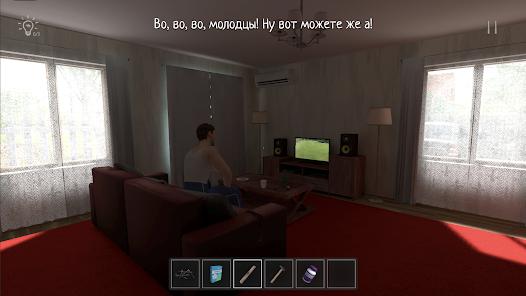
Technically, the game employs a realistic 3D perspective that heightens the immersion of being confined within a strict household. The puzzles are integrated into the domestic setting—players must find keys, solve riddles related to household objects, and time their movements with the parents' scripted but unpredictable patrol patterns. A "hint system" is available to prevent player stagnation, though its use is often tied to the game's advertisement-supported monetization model.
The narrative elements are surprisingly mature for its genre. The game depicts a tense family environment, sometimes characterized by harsh punishments, which adds a layer of "psychological horror" to the escape attempts. While this has led to a 16+ content rating, it also differentiates the game from more whimsical stealth titles, positioning it as a simulation of rebellion against authoritarian constraints.
Pros & Cons
The 3D first-person perspective offers a realistic and highly immersive simulation of stealth movement.
Intelligent puzzle design requires actual deduction and environmental interaction rather than rote memorization.
The "environmental persistence" mechanic creates a unique layer of difficulty where the player must cover their tracks.
Support for offline play makes it an excellent choice for entertainment in areas with poor connectivity.
Intuitive control schemes allow for precise movement, which is critical during high-stakes hiding sequences.
The hint system provides a balanced way to overcome difficult sections without ruining the sense of accomplishment.
- ✕
Frequent pop-up advertisements can interrupt the stealth flow and occasionally lead to game-over scenarios.
- ✕
Collision detection bugs sometimes result in the player getting stuck within the environment (e.g., inside cabinets).
- ✕
The depiction of harsh parental treatment and mild violence may be unsuitable for sensitive or younger players.
Download


FAQs
Does the game support multiple difficulty levels?
Yes, players can choose easy or hard modes, which affect the speed and awareness of the parents.
How do the parents "patrol" the house?
Parents have specific routines but will deviate if they hear a noise or see an open door.
What is the "punishment" if you are caught?
The player typically has to perform physical exercises or loses a "life," requiring a retry of the level.
Is there a way to remove the ads?
Most versions offer a premium in-app purchase to remove the disruptive advertisements.
Are there future chapters planned?
The developer has indicated that Chapters 2 and 3 are in development, though users have noted long wait times for updates.
Hot Reviews
Players frequently praise the game for its unique focus on "not leaving clues" like open cabinets, calling it a refreshing change from typical horror games.
A recurring complaint among top reviewers is that ads appear at critical moments, sometimes causing the player to be "caught" while the ad is loading.
Many users find the game's depiction of a "strict household" to be highly relatable, which increases the emotional stakes of the escape.