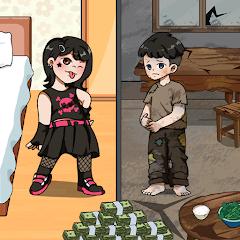

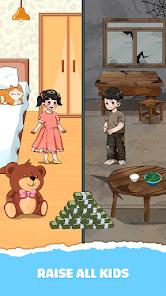
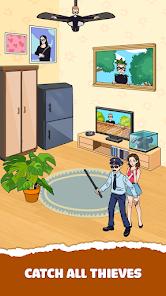


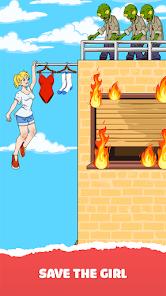
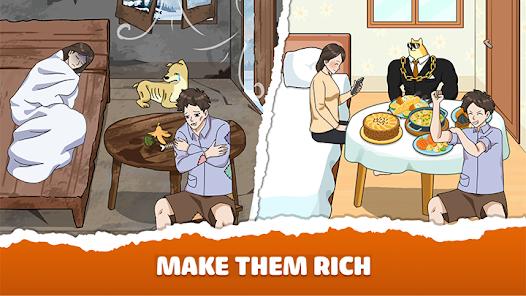
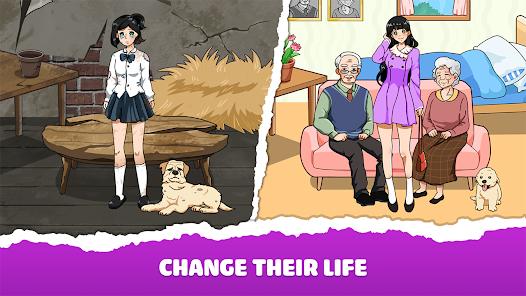
Tricky Prank is a hyper-casual puzzle game that occupies a unique niche: it is designed to be intentionally "annoying" and "tricky." The game presents users with scenarios that defy traditional logic, requiring "outside the box" thinking to execute various pranks. It heavily utilizes internet meme culture and trending storylines (such as those from popular manhwa) to ground its puzzles in relatable social contexts.
The functional decomposition of the game reveals a "prank-master" mechanic. To succeed, players must tap, swipe, or drag objects in a specific, often counter-intuitive order. Players need to hunt clues and identify tiny details that trigger events. The game’s appeal lies in its unpredictability—what seems like the logical solution often leads to a failure, while a ridiculous action leads to a "win."
However, the most "annoying" part of the quest is often the monetization strategy. The game is cited as having an overwhelming density of ads—appearing before, during, and after every short level. Some users have reported that the levels take only seconds to solve, meaning they spend more time watching ads than playing the game. Technical complaints regarding bugs that prevent progression beyond early levels suggest a product optimized for rapid ad-revenue generation over long-term quality.
Pros
Humorous and unpredictable puzzles that encourage creative problem-solving and lateral thinking.
Incorporates trending memes and popular cultural storylines to keep the content fresh and relatable.
Simple mechanics (tap, swipe, drag) make it accessible for quick, casual gaming sessions.
Built-in "Hint" system available to help users when they are stuck on particularly devious puzzles.
Engaging "Prank Master" theme that provides a satisfying, if mischievous, sense of accomplishment.
Stylized graphics and funny animations that complement the game’s lighthearted tone.
Frequent updates with new levels and themes to maintain player engagement.
Cons
Excessive ad frequency; users spend significant time closing commercials between levels.
Reported bugs and freezes on specific levels (e.g., Level 9, Level 41) that halt progression.
Heavy reliance on AI-generated art and recycled storylines from other media sources.
In-app purchases to remove ads are sometimes reported as non-functional by users.
FAQs
The puzzles are designed to be intentionally misleading, often "annoying" the player with unexpected outcomes.
Success requires thinking outside traditional logic—try interacting with objects that don't seem like they should be moved.
Users can watch an ad or use a hint to bypass a particularly difficult section.
While some versions mention offline capability, the ad-supported nature and level downloads often require a connection.
The game features hundreds of levels, with new content added in regular updates.
The game is generally casual, though some pranks and themes are more suited for teens and older children.
Hot Reviews
The puzzles are designed to be intentionally misleading, often "annoying" the player with unexpected outcomes.
Success requires thinking outside traditional logic—try interacting with objects that don't seem like they should be moved.
Users can watch an ad or use a hint to bypass a particularly difficult section.
While some versions mention offline capability, the ad-supported nature and level downloads often require a connection.
The game features hundreds of levels, with new content added in regular updates.
The game is generally casual, though some pranks and themes are more suited for teens and older children.