
Walmart: Shopping & Savings




Overview
The Walmart app serves as the digital hub for one of the world's largest retail ecosystems, integrating e-commerce, grocery fulfillment, and in-store utilities into a single platform. With over 100 million downloads, the application is designed to provide an omnichannel shopping experience, allowing users to transition seamlessly between online ordering and physical store visits. Key features include real-time inventory tracking, grocery pickup and delivery scheduling, and the "Walmart Pay" contactless payment system.
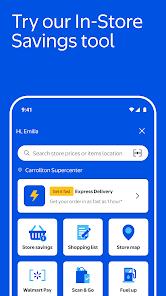
A critical component of the application's current strategy is the integration of "Walmart+," a subscription service that offers members free delivery, fuel discounts, and the "Scan & Go" feature. This latter tool allows customers to scan items with their smartphone as they shop in-store and pay through the app, bypassing traditional checkout lines. Furthermore, the app includes a sophisticated in-store navigation tool that helps users locate specific items by aisle number, a feature that has become indispensable for navigating massive "Supercenter" layouts.
Despite its vast utility, the application faces logistical challenges inherent in massive retail operations. User feedback often centers on the accuracy of real-time inventory and the substitution logic used for grocery orders. Walmart has attempted to address these issues by allowing users to pre-select their preferred substitutes or opt-out of substitutions entirely for specific items.
Pros & Cons
The Walmart app’s most lauded feature is the in-store navigation, which provides an accurate aisle-by-aisle map to help users find obscure items in large stores.
The integration of "Scan & Go" for Walmart+ members is a significant time-saver, effectively turning the smartphone into a personal checkout terminal.
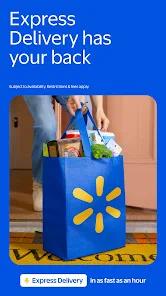
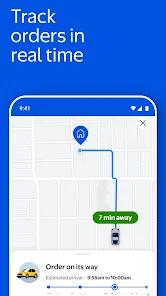
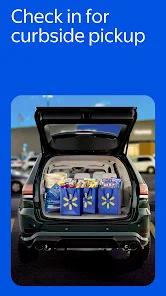
For grocery shoppers, the app offers diverse fulfillment options, including free curbside pickup on eligible orders and express 1-hour delivery from local stores.
The "Walmart Pay" system offers a secure, contactless payment method that also serves as a digital receipt vault, making returns much simpler as the barcode is stored directly in the app.
The pharmacy module allows for easy prescription refills and tracking, providing a comprehensive health-retail integration that many competitors lack.
- ✕
Inaccuracy in real-time inventory is a recurring issue, with users reporting that items marked as "in stock" are frequently missing during the picking process.
- ✕
The substitution process for groceries remains a significant pain point; even with user-selected preferences, the final replacements chosen by in-store shoppers can sometimes be unsatisfactory.
- ✕
The shopping cart and checkout interface can feel "clunky" when dealing with a high volume of items or when trying to merge separate grocery and general merchandise orders.
Download


FAQs
How much does Walmart+ cost?
The service is available for $98 annually or $12.95 monthly, offering benefits like free delivery and fuel discounts.
What happens if I’m not happy with a grocery substitution?
You can reject substituted items at the time of pickup, or if the order was delivered, you can initiate a return through the "Purchase History" section of the app.
Can I use the app to check prices while in the store?
Yes, the app includes a barcode scanner that allows you to check the current price and stock status of any item while you are in the store.
Does the app support EBT/SNAP payments?
Yes, Walmart allows for EBT and SNAP payments for eligible grocery items, and the app handles the specific substitution rules for these payment methods.
Hot Reviews
Frequent shoppers report that the ability to search for an item and see its exact location in a specific store has transformed their shopping experience, especially in unfamiliar locations.
While the convenience is high, a significant portion of feedback highlights frustration with out-of-stock items and the sometimes illogical choices made for replacements.
Walmart+ members consistently praise the Scan & Go feature as the primary reason for their membership, citing the ability to skip long lines during peak hours.