
Exile: Wasteland Survival RPG
Overview
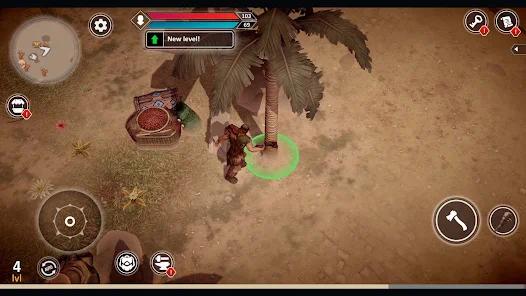
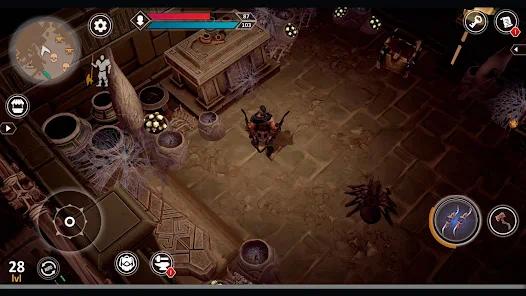
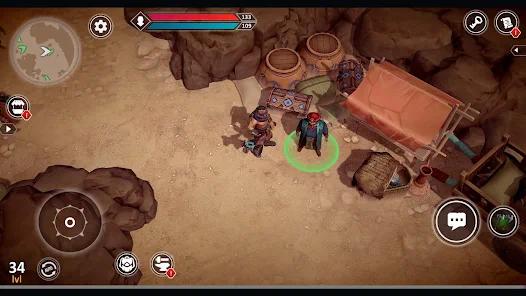
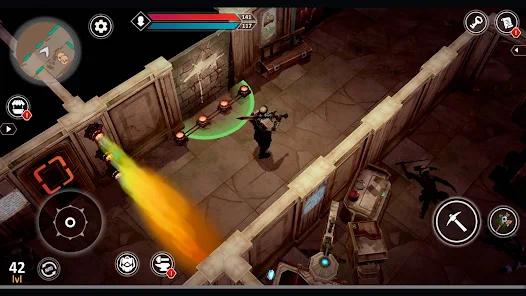
Exile: Wasteland Survival RPG, cataloged on the Google Play Store, is an isometric, action-adventure survival role-playing game that thrusts players into a brutal, post-apocalyptic primitive world. Developed by PG Studio (alternatively operating as Not Found Games), the game is set against the backdrop of a collapsed high-technology civilization. The narrative establishes that global warming plunged the planet into an environmental catastrophe, turning lush ecosystems into a merciless desert wasteland. The surviving remnants of humanity have been forced into a regressive, primitive state where physical survival, manual crafting, and base fortification represent the absolute boundaries of daily existence.
The primary gameplay loop combines real-time action mechanics, resource harvesting, and modular shelter construction. The developers have integrated a highly realistic physiological simulation where the user's customized barbarian warrior must consistently manage hunger, hydration, and sleep to prevent rapid health degradation and subsequent character death. The central visual and strategic anchor of a player’s base is the survival bonfire. In this primitive environment, the bonfire serves as the primary heat source to survive freezing night temperatures and acts as a defensive perimeter against aggressive wildlife and nomadic tribal enemies. Progression revolves around exploring various wasteland nodes to acquire raw materials—such as clay, wood, and metal ore—which are then processed at specialized workbenches to craft high-tier weapons and protective armor.
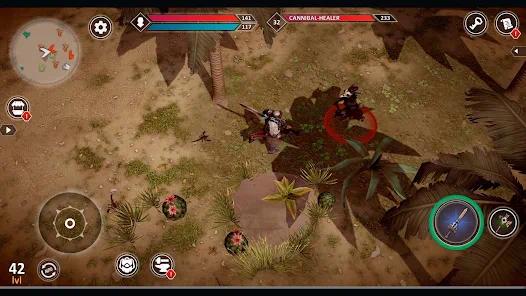
Exile: Wasteland Survival RPG utilize a top-down isometric perspective, a regional node-based world map, and energy-restricted traversal systems. It leans heavily into a "sword-and-sorcery" primitive fantasy aesthetic reminiscent of the Conan the Barbarian franchise. The combat in Exile focuses heavily on close-quarters melee weapon spacing, real-time dodging, and parrying.
Furthermore, Exile features deep character customization, permitting detailed modifications of physical appearance and ancient magical body runes. However, the game inherits standard genre frictions. Traversal across different resource zones is gated by a replenishing energy system, which encourages microtransactions to bypass wait times. Moreover, the transition from early-game cooperative PvE gathering to late-game competitive PvP in high-yield zones creates significant progression friction for casual players.
Pros & Cons
Distinct Primitive Fantasy Setting: The Conan-inspired, prehistoric desert aesthetic provides a unique visual and thematic departure from standard, modern post-apocalyptic zombie survival games.
Detailed Character Creation Suite: The role-playing suite offers robust customization options, allowing players to adjust physical features and apply intricate magical body markings.
Modular Base Fortification: The base-building engine is highly intuitive, allowing players to construct complex, multi-tiered defensive structures centered around a vital bonfire anchor.
Skill-Based Isometric Combat: Real-time melee engagement is enhanced by active collision detection, requiring precise positioning, dodging, and parrying to defeat elite enemies.
Satisfying Crafting Progression: The transition from basic wooden tools to advanced, metal-alloy weapons and reinforced armor feels logical and structurally rewarding.
- ✕
Aggressive Equipment Durability Loss: Weapons and armor deteriorate at an exceptionally high rate during standard combat, forcing players into repetitive grinding loops simply to maintain their current gear.
- ✕
Restrictive Energy Traversal Mechanics: Moving between regional exploration nodes requires either long physical wait times or the consumption of a strictly limited, monetized energy reserve.
- ✕
Punishing Late-Game Forced PvP: High-tier resource zones automatically enable open player-versus-player combat, which frequently results in casual players losing valuable gear to highly geared players.
Download


FAQs
How does character death affect inventory management in the game?
Upon dying in standard PvE exploration zones, the character respawns at their home base. The inventory remains on the player's corpse at the location of death; however, returning to retrieve these items carries significant risk, especially in zones with active timers or open PvP.
Is an active network connection required to play the game?
Yes, despite offering single-player open-world exploration, the application requires a persistent internet connection to synchronize database progress, manage the energy traversal economy, and facilitate real-time multiplayer interactions.
What is the functional purpose of maintaining the survival bonfire?
The bonfire is the thermodynamic anchor of the player's base. Allowing the bonfire's fuel to completely deplete exposes the survivor to freezing nighttime temperatures, which rapidly drains health, and increases the spawn frequency of wild predators near base structures.
Can the energy traversal system be permanently upgraded or bypassed?
The base rate of energy replenishment is fixed. However, players can temporarily bypass traversal delays by watching promotional video advertisements, consuming rare in-game consumable items, or purchasing premium currency packages directly from the store.
Hot Reviews
The thematic shift to a harsh, primitive desert wasteland is executed wonderfully, making base construction and resource management highly engaging. Unfortunately, weapon durability is poorly tuned, as high-grade iron swords frequently shatter after defeating only a few basic enemies.
The onboarding experience is phenomenally polished for solo players who enjoy crafting and PvE exploration. However, the progression curve hits a massive wall past level 25, where high-yield materials are locked behind forced PvP zones that are dominated by highly paying players.
The character model customization and environmental lighting are beautiful for a mobile title. The primary drawback is the energy traversal model, which repeatedly interrupts extended play sessions and forces players to wait or pay to move between map nodes.