Babbel - Learn Languages

Overview
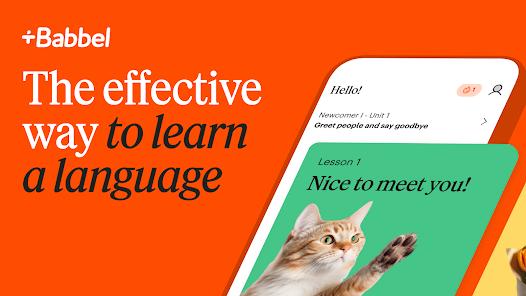
Babbel is an established, expert-built language learning application designed to foster practical, real-life conversational proficiency. Moving away from purely gamified models, Babbel relies on structured linguistic research and curriculum designs tailored specifically to the user's native tongue. The platform offers comprehensive, structured pathways for 14 different languages through interactive, bite-sized lessons designed to fit into busy schedules.
The efficacy of Babbel’s methodology has been validated by academic studies:
Researchers at Yale University and Michigan State University confirmed that after just ten hours of study, 96% of users improved their scores in vocabulary and grammar.
Babbel’s design focuses on cognitive skill development:
- Tailored Native Language Paths: Rather than using a one-size-fits-all model, Babbel builds custom pathways based on the structural differences between the user's native tongue and the target language.
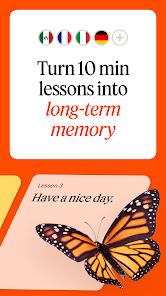
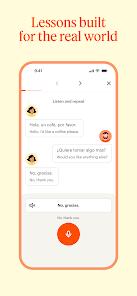
- Bite-Sized Practical Lessons: Keeps exercises focused and manageable (10–15 minutes). Lessons center on immediate, real-world situations like travel, work, and daily transactions.
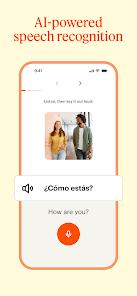
- Integrated Speech Recognition: Uses built-in voice feedback to help users practice pronunciation and sound more like native speakers.
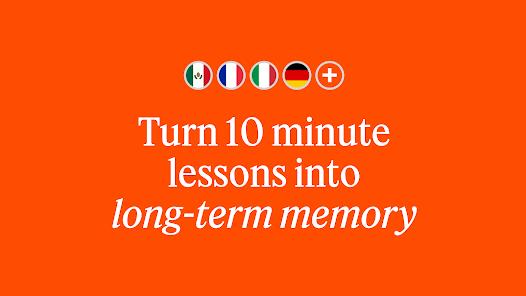
- Spaced Repetition Review System: Tracks and revisits previously learned vocabulary at optimized intervals, helping transition terms into long-term memory.
- Contextual Grammar Explanations: Explains grammatical rules and syntax structures in context as lessons progress, rather than relying on pure deduction.
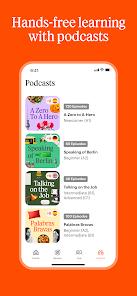
Babbel’s educational model is built around communicative language teaching. Many gamified apps focus on rote translation and simple vocabulary drills, which can result in passive knowledge. Babbel balances grammatical instruction, reading, listening, and speaking to help learners build functional, active communication skills. And a variety of podcasts, games, culture magazine are also available. This design prepares users to confidently handle real-world conversations. It offers an ad-free learning environment.
Pros & Cons
Tailored Course Design: Customizes lesson structures based on the relationship between the user's native tongue and the target language.
Balanced, Practical Lessons: Integrates listening, speaking, reading, and writing exercises focused on real-world scenarios.
Contextual Grammar Instruction: Explains complex grammar and syntax rules clearly as users progress through lessons.
Completely Ad-Free Experience: Excludes third-party advertisements across all tiers, helping maintain learner focus.
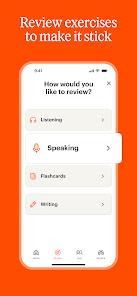
Flexible Review System: Offers customizable reviews through writing, speaking, or flashcards to help reinforce retention.
Diverse Learning Resources: Complements core lessons with high-quality podcasts, grammar tips, and cultural articles.
- ✕
Highly Restricted Free Access: The free tier only includes the first lesson of each course, requiring a subscription for continued study.
- ✕
Smaller Language Library: Only offers courses in 14 languages, which is less than many larger generative or gamified platforms.
- ✕
Regional Translation Variations: Translations may occasionally default to specific regional variations (e.g., European Spanish instead of Latin American Spanish), which can confuse localized context.
- ✕
Vocal Input Sensitivity: The integrated speech recognition can occasionally be overly sensitive, requiring multiple attempts to register correct inputs.
Download


FAQs
Does Babbel support learning offline?
Yes, Babbel allows users to download lessons directly to their devices. This feature allows learners to study grammar, vocabulary, and pronunciation even without an active internet connection.
Are Babbel's certificates internationally recognized?
While Babbel provides certificates of completion that demonstrate progress and can strengthen a personal resume, they are not formal, accredited language certifications like CEFR, IELTS, or TOEFL.
How does Babbel’s speech recognition system help with pronunciation?
Babbel uses an interactive speech recognition engine to evaluate the user’s spoken input against standard native speaker acoustics. It provides instant visual feedback to help learners adjust their accent and pronunciation.
Can I study multiple languages simultaneously under a single subscription?
Babbel offers both single-language subscriptions and "Babbel All Languages" packages. The latter allows users to study any of the 14 available languages under one account.
How often should I practice to see meaningful progress?
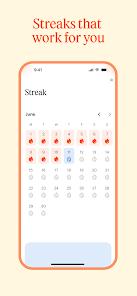
The curriculum is optimized for consistent, daily practice. Dedicating 10 to 15 minutes a day is typically sufficient to build effective learning habits and retain vocabulary.
Hot Reviews
Users praise the app's balanced approach, which blends grammar instruction with listening, writing, and speaking exercises that are useful for real-world interactions.
Learners appreciate that the app explains grammatical rules and structure step-by-step rather than relying solely on repetitive translation drills.
Some users feel frustrated by the strict paywall, noting that the free content is limited and requires a quick transition to a paid subscription.
Some Latin American Spanish speakers note that the translations can sometimes favor European Spanish terminology, requiring minor contextual adjustments.